
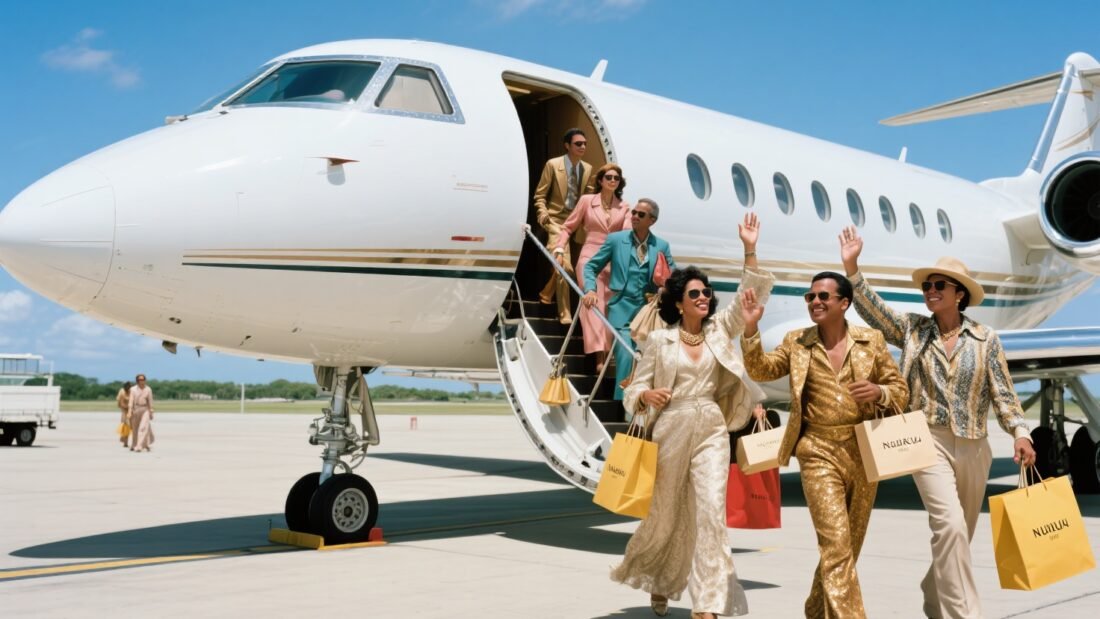
Imagine a country so wealthy that the government simply paid for everything.
No taxes.
Free world-class healthcare.
Free housing.
Free education anywhere in the world.
A place where citizens chartered jets for weekend shopping trips… where abandoned luxury cars rusted on roadsides because replacing a tire wasn’t worth the effort… and where one police chief famously bought a Lamborghini he couldn’t even fit inside.
This was the reality for the people of Nauru — a tiny Pacific island smaller than many international airports — once among the richest nations on Earth.
But today, the island bears a very different face:
a barren wasteland of jagged limestone spires…
a population battling a health crisis…
and a government dependent on foreign aid just to keep the lights on.
So how did a nation go from unimaginable wealth to national collapse in just one generation? That’s the shocking true story behind Nauru.
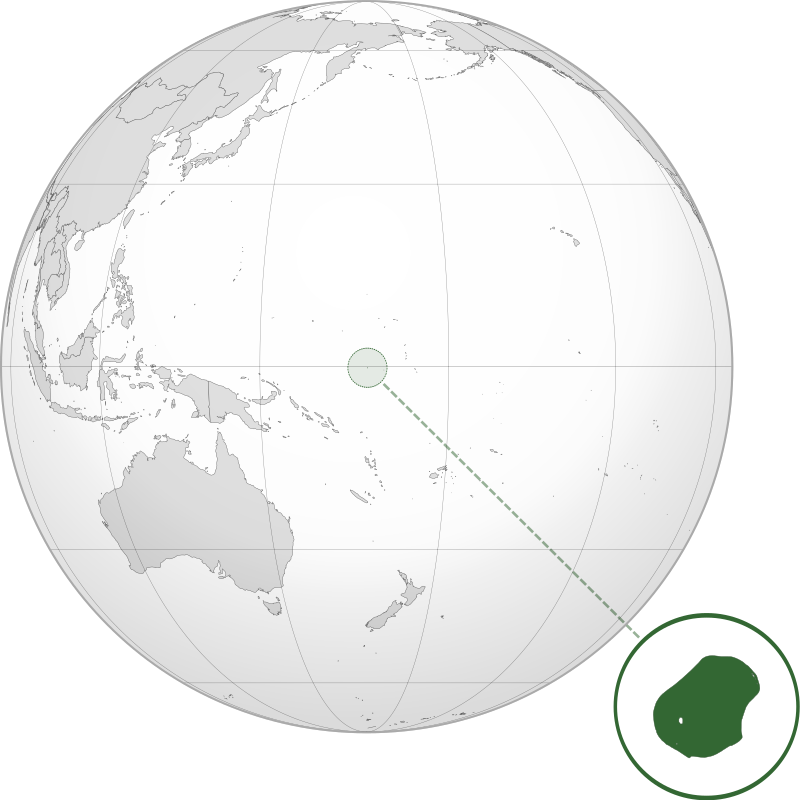
A Hidden Treasure Under the Soil
For centuries, Nauru was known as “Pleasant Island” — a remote tropical paradise sustained by coconuts, fish, and the sea. What nobody realized was that millions of years of seabird droppings had created an unlikely fortune beneath the ground:
👉 Phosphate — one of the most valuable fertilizers in the world.
Once global powers discovered this “white gold” in the early 1900s, mining began — and the island’s fate was sealed.
At first, foreign companies reaped the profits while Nauruans received pennies. But everything changed after independence:
In 1970, the newly formed Nauruan government bought the mining operations outright. Overnight, the profits flowed directly to Nauru’s citizens — and the money was staggering.
By the mid-1970s, Nauru had the world’s second-highest GDP per capita, trailing only Saudi Arabia.
The Golden Era of Excess
With mining workers brought in from abroad, most Nauruans didn’t need to work at all. The government paid for:
✔️ Homes
✔️ Utilities
✔️ Travel
✔️ Education
✔️ Medical care
The national airline, Air Nauru, once flew seven Boeing jets — for fewer than 10,000 citizens. Flights sometimes took off with more crew than passengers.
Meanwhile, the government invested billions into a global portfolio: hotels, ships, business towers — even a skyscraper in Melbourne known as Nauru House.
It seemed like the good times would last forever. But beneath the luxury… a catastrophe was forming.
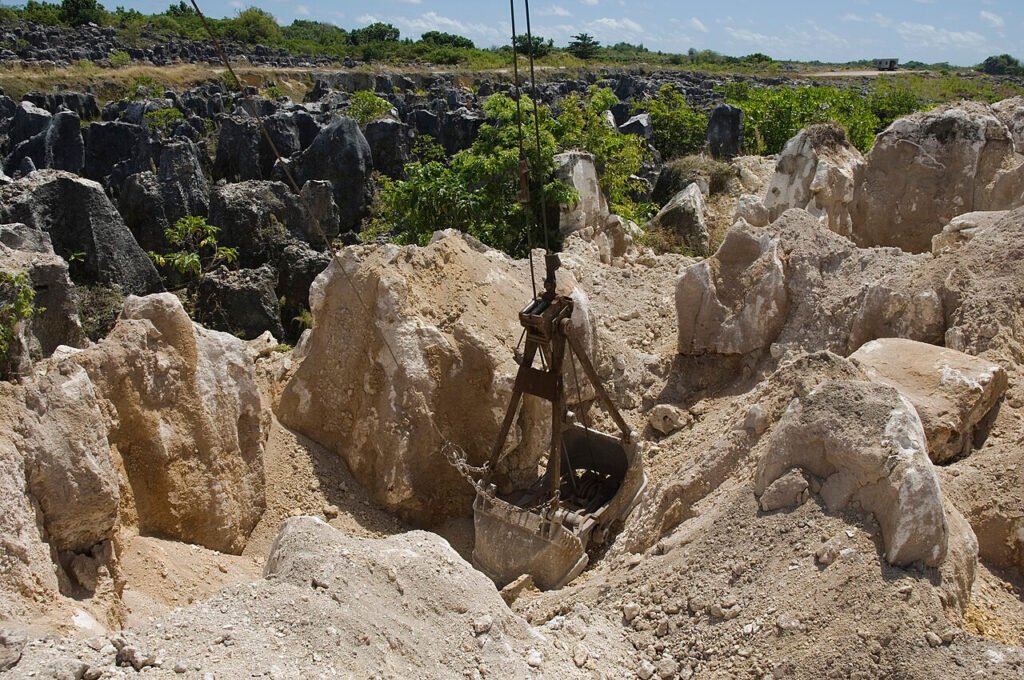
Digging Up the Island’s Future
Phosphate mining stripped the island bare. To reach the mineral, forests and topsoil were scraped away, leaving behind sharp limestone pinnacles — up to 15 meters tall — stretching across what used to be fertile land. More than 80% of Nauru became uninhabitable.
With farming impossible, the island imported cheap processed foods — and a health crisis exploded:
⚠️ Highest obesity rate ever recorded
⚠️ Nearly half of adults developing diabetes
⚠️ Life expectancy plummeting
As health worsened, so did the economy. The phosphate began to run out… and poor investment decisions drained the national trust.
One infamous example?
A multi-million-dollar West End musical about Leonardo da Vinci — which closed in weeks and became one of London’s biggest theatrical flops. The dream unraveled quickly.
From Billionaire State… to Bankruptcy
By the late 1990s:
💥 The money was gone
💥 Government assets were seized
💥 Banks collapsed
💥 Blackouts spread across the island
💥 The national airline was grounded
The country that once had zero taxes became one of the most financially desperate nations in the world.
A Desperate Deal
To survive, Nauru turned to a controversial source of income: hosting offshore detention centers for Australia’s asylum seekers.
Barbed-wire camps built on the mined-out wasteland became the island’s biggest employer — and its biggest international scandal.
Nauru, once a symbol of wealth… was now known as a prison island.
Can Nauru Recover?
Today, around 12,500 people still call Nauru home. Small efforts to restore the land have begun — slowly. But environmental scars this deep could take hundreds of years to heal.
Meanwhile, rising sea levels threaten the only habitable areas left. The island that once had too much land to spend now doesn’t have enough land to stay safe.
The Ultimate Cautionary Tale
Nauru is the textbook example of the Resource Curse:
When a nation depends on one natural resource, wealth becomes a trap instead of a blessing.
They struck the geological lottery — and lost everything in the cash rush.
A paradise turned wasteland.
A wealthy society turned bankrupt.
A legacy of health and environmental disaster that continues today.
What Do You Think? Could Nauru have avoided collapse with better planning? Or was its fate sealed the moment phosphate was discovered?
Share your thoughts in the comments — I’d love to hear your perspective.
And if stories like this fascinate you, make sure to subscribe to Global Whys on YouTube. More unbelievable true histories are on the way.
🎥 Watch the full video:
How Did This Tiny Island Get So Rich?
CHAPTERS:
00:00 – The Pleasant Island
01:42 – The Golden Age: White Gold and the End of Innocence
09:34 – The Unseen Crisis and the Great Fall
16:02 – The Aftermath and the Devil’s Bargain
20:59 – Conclusion
Want more stories like this one? Check these out:
👉 https://youtu.be/ovjUM3BCdqY
👉 https://youtu.be/tx6W4AW1huA
OTHER LINKS:
🔗 Facebook: https://www.facebook.com/GlobalWhys
🔗 Blog: https://globalwhys.com/how-did-this-tiny-island-get-so-rich-the-rise-and-fall-of-nauru
#GlobalWhys #history #NauruShow More


Leave a Reply