
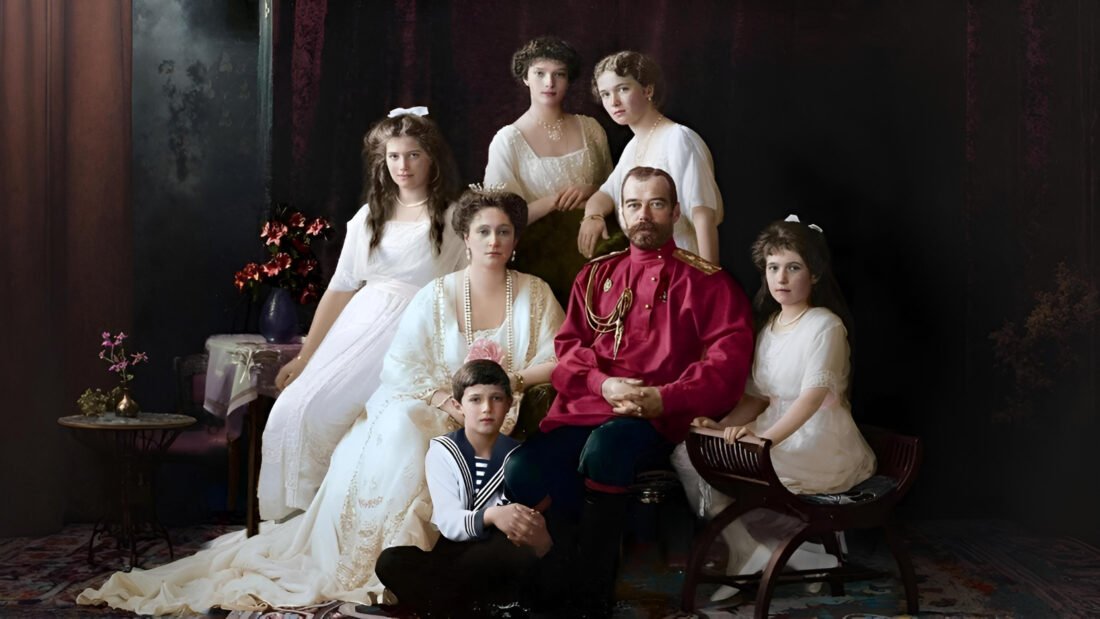
The True Story Behind One of History’s Most Enduring Myths
For more than a century, the fate of Russia’s last imperial daughter has captivated the world. Anastasia Romanov — mischievous, spirited, adored — became the symbol of a vanished empire and the hope that innocence might survive even the darkest tragedies.
But while her name lives on in books, films, and especially the famous 1997 animated movie, the historical truth is far from a fairy tale.
This is the real story behind the myth — and why we still find Anastasia so haunting.
A Princess Lost in the Revolution

Anastasia was the youngest daughter of Tsar Nicholas II, ruler of the world’s largest empire. Her childhood unfolded in opulent palaces, surrounded by jewels, tutors, and royal privilege — yet also constantly overshadowed by her brother Alexei’s deadly illness and the political turmoil consuming Russia.
When the Bolshevik Revolution toppled the monarchy in 1917, the Romanov family was removed from power and ultimately imprisoned. In July 1918, in a basement in Yekaterinburg, they faced a brutal and chaotic execution.
For decades, the Soviet government obscured the details — a vacuum that allowed hope and speculation to grow.
The Woman Who Claimed to Be Anastasia
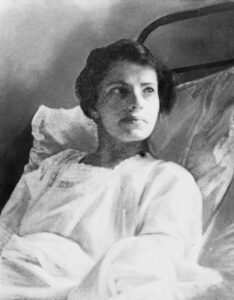
In 1920, a mysterious woman was rescued from a Berlin canal. She would later claim she was Anastasia Nikolaevna — miraculously spared from the massacre.
Her name was Anna Anderson.
She convinced many — including some former Romanov associates — that she was the surviving princess. Others fiercely rejected her story. For over sixty years, she fought to be recognized as Anastasia, becoming a living embodiment of the Romanov mystery.
It wasn’t until modern DNA testing that the truth was finally settled: Anna Anderson was not Anastasia, but a Polish factory worker named Franziska Schanzkowska.
And archaeological discoveries later confirmed that every member of the Romanov family — including Anastasia — died that night in 1918.
From Tragedy to Fairy Tale
How the Legend Inspired the Beloved Animated Movie
Even after science closed the case, the myth endured. Popular culture chose to remember not the horror, but the possibility of survival.
The 1997 animated Anastasia movie reimagined the story:
- A lost princess
- An evil sorcerer
- A daring escape
- A search for identity and family
It’s a beautiful fantasy with a powerful emotional message — but a fantasy all the same.
In reality, the story is about political violence, misinformation, trauma, and how desperately people cling to hope when faced with unbearable truth.
Creating This Video Was Its Own Challenge
The Difficulty of Reconstructing History with Generative AI
To visualize this story for the video, we wanted a respectful cinematic approach — rooted in real photographs and historical settings. That turned out to be surprisingly difficult.
Many generative AI platforms restrict the use of real human likenesses, especially of public or historical figures, for ethical reasons. And because this story includes imprisonment, execution, and disturbing violence, some tools simply refused to generate key scenes at all.
To get accurate, historically-inspired imagery:
- We referenced authentic Romanov photographs where permitted
- We softened violent scenes while retaining emotional impact
- We worked across four different AI platforms
- We manually guided the art direction for accuracy and tone
What is normally a smooth creative process became a careful, time-consuming balancing act: staying true to history without crossing ethical boundaries.
The result: visuals that aim to honor the truth while acknowledging the trauma.
Why We Still Believe in Anastasia
The Anastasia legend persists because it reflects something deeply human:
- We want to believe that joy survives tragedy
- We want mysteries to remain open
- We want stories where someone gets away
Her myth gave hope to a world struggling to process the senseless murder of a family that, for better or worse, once symbolized a nation.
But by confronting the evidence and honoring what really happened, we also recognize the real people behind the legend — a young girl and her family whose lives were taken too soon.
Join the Conversation
If this story intrigued you, be sure to watch the full video — and subscribe so you don’t miss the next chapter.
The Lost Romanov: What Really Happened to Anastasia?
CHAPTERS:
00:00 – The Lost Princess
00:46 – The Enchanted World
03:50 – The Fall
06:47 – The Crime
09:48 – The Mystery Begins
12:55 – The Fight for Recognition
16:24 – The Scientific Revelation
19:44 – Conclusion
OTHER LINKS:
🔗 Facebook: https://www.facebook.com/GlobalWhys
🔗 Blog: https://globalwhys.com/what-really-happened-to-anastasia-romanov
#GlobalWhys #history #romanovs #anastasiaShow More
And I’d love to hear your thoughts in the comments:
Why do you think the Anastasia myth is still so powerful today?
Is it hope? Denial? Or simply the allure of a good story?
Thank you for reading — and for helping keep history alive.




Leave a Reply