
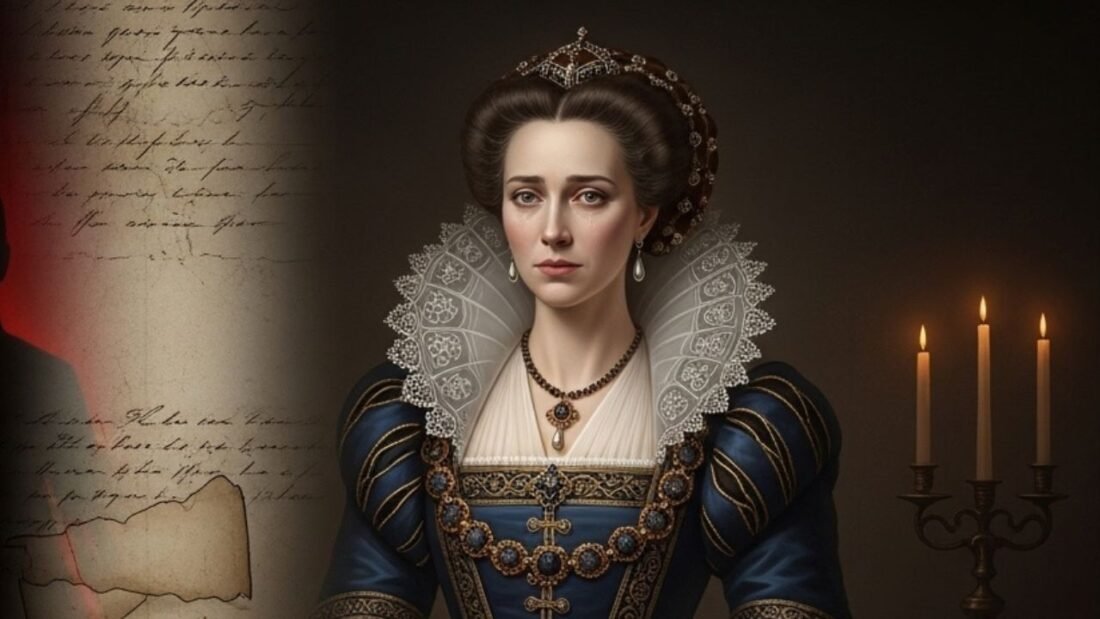
For over four centuries, Elizabeth Báthory’s name has echoed through the corridors of European history as a synonym for horror. Known as the “Blood Countess,” she’s been immortalized as a sadistic noblewoman who bathed in the blood of virgins to preserve her youth. Her legend has inspired novels, horror films, video game villains, and even heavy-metal anthems.
But what if the gruesome stories we know so well are mostly myth? What if Countess Elizabeth Báthory was not the monster of folklore, but the victim of one of the most elaborate political frame-ups in history?
Let’s peel back the layers of myth, rumor, and propaganda to uncover the woman behind the legend.
The Myth That Refuses to Die
When most people hear her name, they picture a pale woman in a castle bathtub, surrounded by terrified girls — a chilling image that’s become cultural shorthand for female evil. But there’s one problem: no historical document from her lifetime mentions her bathing in blood.
The first time this lurid detail appeared in writing was in 1729 — more than a hundred years after her death. None of the 300 witnesses interviewed during her 1610 trial mentioned anything even close to such rituals.
So how did it become part of her legend? Simple. It was sensational. It sold. And in an era when pamphlets were the tabloids of the day, a horrifying story of youth, beauty, and blood was irresistible.
It’s a pattern we still recognize today: truth fades, and a good story takes its place.
The Woman Behind the Monster
Born in 1560 into the powerful Báthory family of Hungary, Elizabeth grew up in privilege, wealth, and education. She spoke four or more languages, managed vast estates, and belonged to a dynasty that produced kings, cardinals, and princes.
At just 15, she married Count Ferenc Nádasdy — a decorated soldier nicknamed “The Black Bey” for his ruthless battles against the Ottoman Turks. When Ferenc died in 1604, Elizabeth inherited a fortune: seventeen castles, multiple estates, and control over one of the most profitable salt mines in Central Europe.
She was one of the wealthiest widows in the Kingdom of Hungary — and, crucially, she didn’t need a man to control her wealth.
That made her dangerous. In a world ruled by men, an independent woman of immense power was an anomaly that demanded correction.
The Perfect Scandal
Rumors of cruelty began to swirl after her husband’s death. Servants were said to vanish. Local pastors whispered that young girls sent to her castle were disappearing.
At first, the authorities ignored these tales — peasant lives were cheap in feudal Europe. But when the missing girls were said to include the daughters of minor nobles, things changed.
By this point, King Matthias II was in financial trouble. His long wars with the Ottoman Empire had drained the royal treasury, and he owed Elizabeth Báthory an enormous sum — about 80,000 gold pieces. If she were convicted of murder, her lands would revert to the Crown, and that debt would vanish.
Enter György Thurzó, the king’s loyal ally and Hungary’s highest-ranking official. In December 1610, he stormed Báthory’s castle with soldiers, priests, and scribes — and declared her guilty on the spot.
It was a scene tailor-made for propaganda.
A Trial Without the Accused
Elizabeth Báthory never received a public trial. She was placed under immediate house arrest and remained confined for the rest of her life.
Instead, the spotlight turned on her servants. Four of them were tortured until they confessed to heinous crimes — beatings, mutilations, starvation, even freezing victims to death.
Under unbearable pain, they named Elizabeth as their mistress and instigator. Then they were executed in gruesome public displays.
And yet, even under torture, none of them ever mentioned blood-bathing. That part of the story didn’t exist — not yet.
The inconsistencies in the testimonies were staggering. Witnesses contradicted one another, repeated hearsay, and added sensational details that shifted from statement to statement. But by the time the “evidence” reached King Matthias, the damage was done.
Elizabeth’s wealth was seized. The royal debt was erased. And Thurzó, who oversaw the whole affair, ended up controlling many of her estates.
Justice? Or politics?
The Woman in the Wall
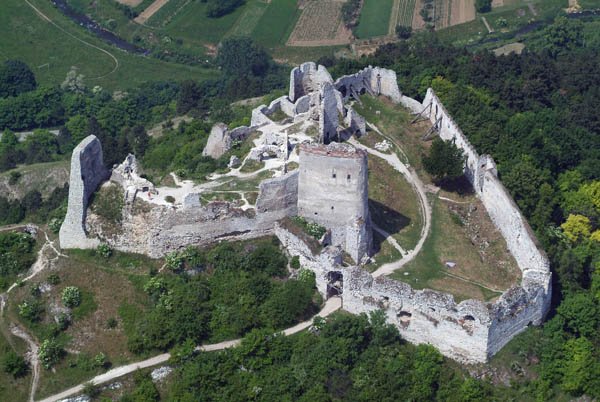
Elizabeth spent her final years imprisoned in Čachtice Castle, the same fortress where she allegedly committed her crimes. According to popular legend, she was bricked into a tiny room with only small slits for air and food — a living tomb.
Historical documents paint a slightly less gothic picture: she lived under strict house arrest, isolated but not sealed away. Still, her name was ruined, her voice silenced, and her family’s power destroyed.
She died in 1614, aged 54. Even in death, she found no peace — villagers demanded her body be moved, claiming her grave glowed at night. Her final resting place remains unknown.
The Political Motive
When we step back and look at the timeline, the pattern is clear:
- A king deep in debt.
- A woman controlling enormous wealth and land.
- A convenient accusation that erased that debt and redistributed her power.
It was a perfect political storm — one that required only a touch of scandal to succeed. And in 17th-century Europe, the easiest way to destroy a powerful woman was to call her a witch or a monster.
Sound familiar?
Why the Legend Endures
So, why does the blood bath myth refuse to die?
Because it’s cinematic. Because it taps into timeless obsessions: vanity, youth, and forbidden rituals.
When 18th-century writers like Pierre-Prosper de Barante added the “fountain of youth” twist, they transformed Elizabeth from a cruel noblewoman into something more gothic, more universal — the archetype of female evil.
Later centuries only amplified that image. Gothic novels, vampire myths, horror films, and video games fused her name with the supernatural. The “Blood Countess” became a dark mirror of our own fascination with immortality and power.
A Modern Reassessment
Was Elizabeth Báthory guilty of cruelty? Probably, at least in part. The harsh treatment of servants was common among the nobility of her time.
But was she a sadistic killer of hundreds, bathing in blood for beauty?
Almost certainly not.
Her trial was shaped by politics, greed, and a patriarchal society eager to neutralize a woman who refused to play by its rules.
In the end, Elizabeth Báthory was condemned not just by witnesses, but by the narrative needs of her age — and by the stories that age chose to tell.
Final Thoughts
The tale of the “Blood Countess” isn’t just about one woman; it’s about how history turns human beings into myths. It’s about who gets to write the story — and who gets buried under it.
Elizabeth Báthory may never escape her legend. But peeling back that legend reveals something deeper: a cautionary tale about how power, gender, and fear can combine to destroy a life — and create a monster that history will never forget.
Like peeling back history’s darkest layers?
Follow Global Whys for more stories that challenge what you thought you knew about the past.
And if you haven’t yet, watch the full video on our YouTube channel.
Was She Really History's Worst Serial Killer?
VIDEOS TO WATCH NEXT:
✔️ https://www.youtube.com/watch?v=bgtug59KlKE&list=PLDy2pNCztr2Cm6KTLbw6-awaGpwjWo_EP
✔️ https://www.youtube.com/watch?v=nfp4nEXgQaE&list=PLDy2pNCztr2Cm6KTLbw6-awaGpwjWo_EP
✔️ https://www.youtube.com/watch?v=nfp4nEXgQaE&list=PLDy2pNCztr2Cm6KTLbw6-awaGpwjWo_EP
CHAPTERS:
00:00 Intro
01:26 Chapter 1 – The Legend You Think You Know
04:54 Chapter 2 – Who Was She Really?
09:19 Chapter 3 – The Investigation Nobody Expected
13:59 Chapter 4 – Show Trial of the Servants
17:55 Chapter 5 – The Conspiracy Angle
21:33 Chapter 6 – Life in a Bricked-Up Castle
24:23 Chapter 7 – Why the Blood Bath Myth Won’t Die
27:52 Chapter 8 – The Numbers Don’t Add Up
31:26 Chapter 9 – Gender, Power, and the “Witch” Label
34:47 Chapter 10 – Modern Verdicts
38:15 Conclusion – You Decide
OTHER LINKS:
🔗 Facebook: https://www.facebook.com/GlobalWhys
🔗 Blog: https://globalwhys.comShow More




Leave a Reply