
In 1545, Spanish conquistadors struck what seemed like the ultimate jackpot. High in the Andes of modern-day Bolivia, they discovered Cerro Rico — “The Rich Mountain” — a mountain so full of silver it would change the course of world history.
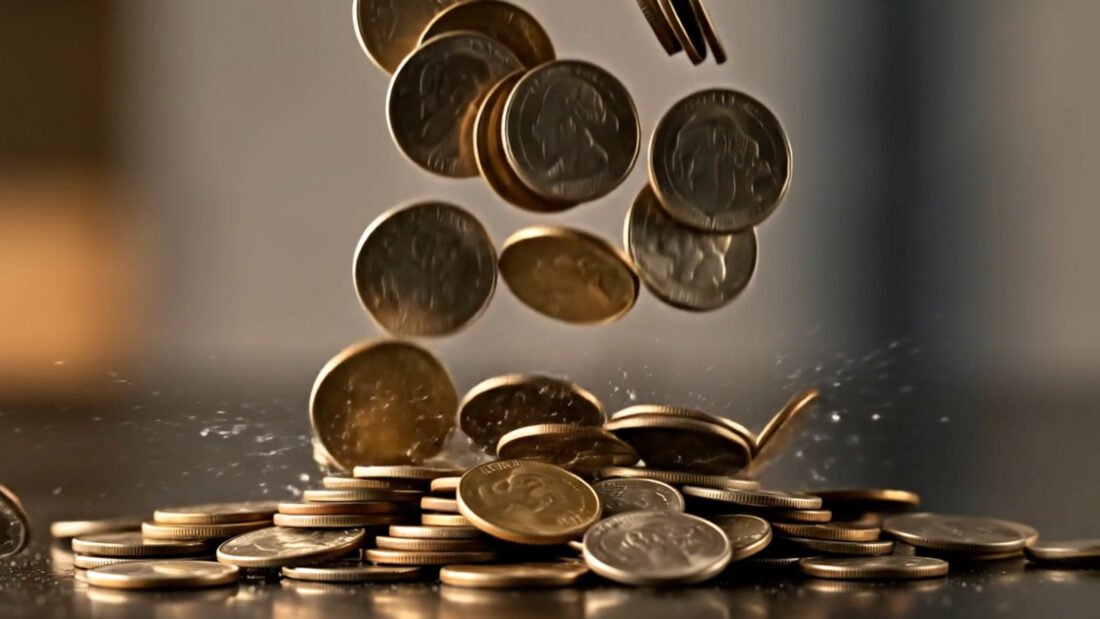
From this single mountain came over 180,000 tons of silver, enough to mint entire empires. Overnight, Spain controlled 60% of the world’s silver supply. The wealth of the New World poured into Seville and Madrid, financing grand palaces, vast fleets, and dreams of eternal dominance. For a moment, Spain was unstoppable.
The Silver Flood That Sank an Empire
But there was a problem — Spain didn’t make anything. Rather than building industries or developing technology, the empire simply spent. They imported goods from England, France, and the Dutch, paying in silver rather than producing their own.
As ships unloaded endless treasure from the Americas, silver began to lose its value. Prices across Europe quadrupled in just 40 years, triggering what economists now call the first inflation crisis in history. Spain — the richest empire on Earth — went bankrupt four times in forty years.
The Rise of the Competitors
While Spain drowned in silver, others built the future.
- England invested in factories, laying the groundwork for the Industrial Revolution.
- The Dutch established modern banking systems and global trade routes.
- France expanded its commerce and shipping networks, turning production into prosperity.
By 1700, the tables had turned. The once-golden empire had become one of Europe’s poorest nations, its silver long spent and its economy hollow.
The Hidden Lesson of History
Spain’s downfall offers a timeless lesson:
Raw resources mean nothing without production.
Silver brought Spain unimaginable wealth — but without innovation or industry, that wealth evaporated. The empire had unlimited treasure, yet zero economic foundation.
And history keeps repeating the same pattern. Nations rise on resource booms — gold, oil, minerals — and fall when the money runs out.
History Doesn’t Repeat, But It Rhymes
From Rome to the Ottoman Empire, from the Soviet Union to modern examples, the same truth echoes: lasting power comes not from what’s in the ground, but from what you build above it.
So, what do you think? Which empire do you believe fell the same way as Spain? Share your thoughts in the comments below.
🕰️ Global Whys Insight
At Global Whys, we explore the hidden patterns that shape history — the small decisions, the forgotten causes, and the big lessons that repeat across centuries. If you enjoyed this story, check out our video version on YouTube:
The Silver Curse That Bankrupted the World's Richest Nation
CHAPTERS:
00:00 – The Richest Empire on Earth—And Its Fall Begins
01:20 – The Dream
05:54 – The Silver Pipeline
09:10 – The Poisoned Chalice
13:58 – The Great Default
16:52 – The Modern Echo
👉 Subscribe for more cinematic stories about history, power, and the mysteries that shaped our world:
https://www.youtube.com/@GlobalWhys?sub_confirmation=1
If this story captivated you, explore the entire collection of Global Whys episodes — each one uncovers a different forgotten truth.
Watch next:
• https://youtu.be/K0CVaf_j0PY
• https://youtu.be/8FWgUbNZTGM
Share your thoughts in the comments:
What part of this story surprised you the most?
OTHER LINKS:
🔗 Facebook: https://www.facebook.com/GlobalWhys
🔗 Blog article: https://globalwhys.com/why-spain-went-from-richest-empire-to-poorest-nation
#history #spain #spanishempireShow More



Leave a Reply